 Pin It
 My mum always said the best gifts couldn't be wrapped, and I finally understood what she meant when I started baking this lemon drizzle cake for her. There's something about the ritual of zesting lemons, watching butter and sugar transform into clouds, and the kitchen filling with that bright, citrusy warmth that feels like saying thank you without words. This cake arrived in my life on a grey April afternoon when I was determined to make Mother's Day feel special despite having no grand plans, and it's been my go-to ever since.
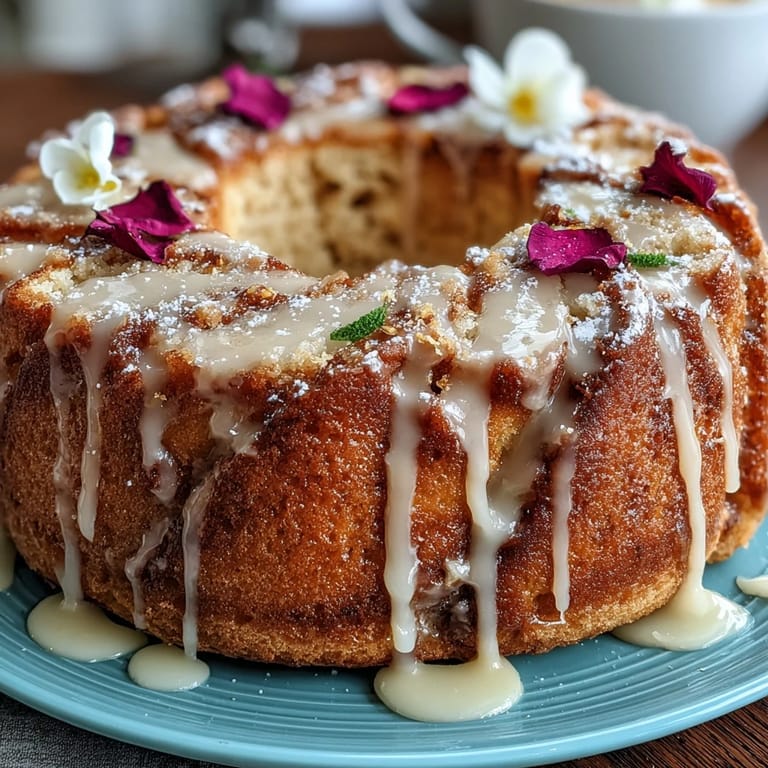
I'll never forget my sister's face when she took the first bite and said, 'Did you actually make this?' in that tone that meant genuine surprise. We were sitting in my tiny kitchen, and the cake was still slightly warm, the flowers catching the afternoon light coming through the window. That moment made me realize this cake had become our Mother's Day tradition, the thing we'd make together, the thing that brought us to the same place year after year.
Ingredients
- Unsalted butter, softened (225 g): Room temperature butter creams into the sugar like magic, and this soft base is what makes the cake so tender you'll wonder if it's actually homemade.
- Caster sugar (225 g): The fine crystals dissolve faster than regular sugar, giving you that pale, fluffy mixture that signals you're on the right track.
- Large eggs (4): Bring them to room temperature if you can; they incorporate more smoothly and create a lighter crumb.
- Self-raising flour (225 g): This does the heavy lifting for you with built-in raising agents, so you don't need to fuss with baking powder.
- Unwaxed lemon zest (from 2 lemons): The zest carries the soul of this cake; microplane it finely so you get those bright flecks throughout.
- Whole milk (2 tbsp): This keeps the batter at the right consistency and adds a subtle richness.
- Salt (pinch): A tiny pinch quietly brightens the lemon flavor and prevents the cake from tasting one-dimensional.
- Lemon juice (from 2 lemons): Fresh juice is essential here; bottled will taste thin and chemical-y.
- Icing sugar (125 g for drizzle, plus optional 2 tbsp for dusting): The icing sugar dissolves into the lemon juice to create that signature glossy drizzle.
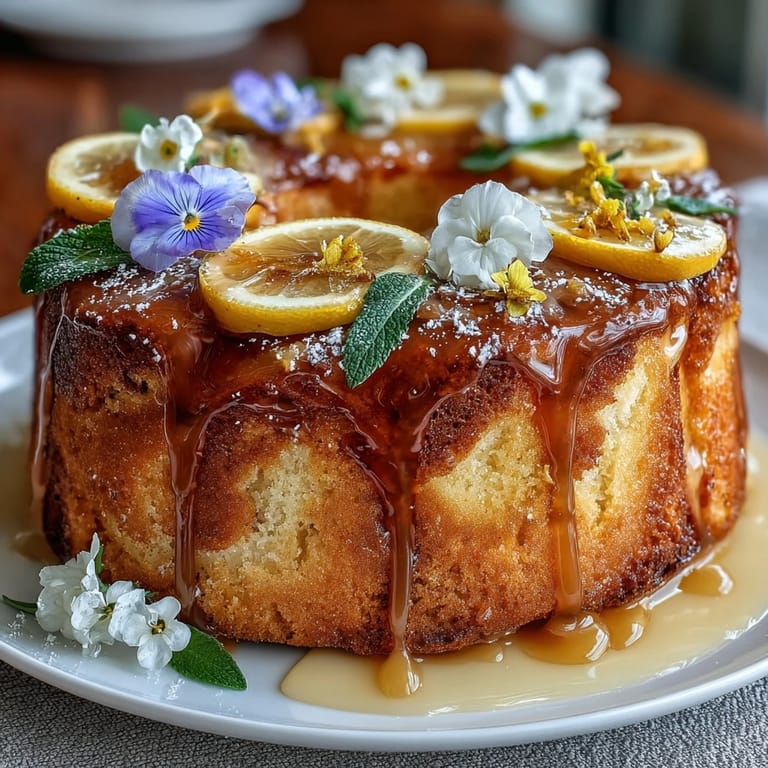
- Edible flowers (assorted violas, pansies, nasturtiums, rose petals): These are your finishing touch; buy them from specialty grocers or farmers markets where you can confirm they're pesticide-free.
Tired of Takeout? 🥡
Get 10 meals you can make faster than delivery arrives. Seriously.
One email. No spam. Unsubscribe anytime.
Instructions
- Heat your oven and prepare your tin:
- Set the oven to 180°C (160°C fan) and take a moment to grease and line your loaf tin with parchment paper so nothing sticks. This small step saves you heartbreak later.
- Cream butter and sugar together:
- Beat them for about 3-4 minutes until the mixture looks pale, fluffy, and resembles soft clouds. You'll know it's ready when your mixer leaves ribbons in the mixture and it's noticeably lighter in color.
- Add eggs one at a time:
- Drop each egg in individually and beat well after each addition, making sure everything is combined before the next egg goes in. If the mixture looks slightly curdled at any point, don't panic; add a tablespoon of flour and keep going.
- Fold in the dry ingredients gently:
- Add the flour, lemon zest, milk, and salt using a spatula or large metal spoon, folding slowly and purposefully until you can't see streaks of flour anymore. The moment you stop seeing flour, stop mixing; overworking at this stage makes the cake tough.
- Transfer to the tin and smooth the top:
- Pour the batter into your prepared tin and use a spatula to level the top so it bakes evenly. A quick tap on the counter releases any large air bubbles hiding inside.
- Bake until golden:
- Slide the tin into the oven and bake for 40-45 minutes; the cake is done when a skewer inserted in the center comes out clean or with just a crumb or two. The kitchen will smell impossibly good during this time.
- Make the drizzle while the cake bakes:
- Squeeze your lemon juice into a small bowl and whisk in the icing sugar until smooth, breaking up any lumps with the back of a spoon. It should be pourable but thick enough to coat the back of a spoon.
- Poke and drizzle while warm:
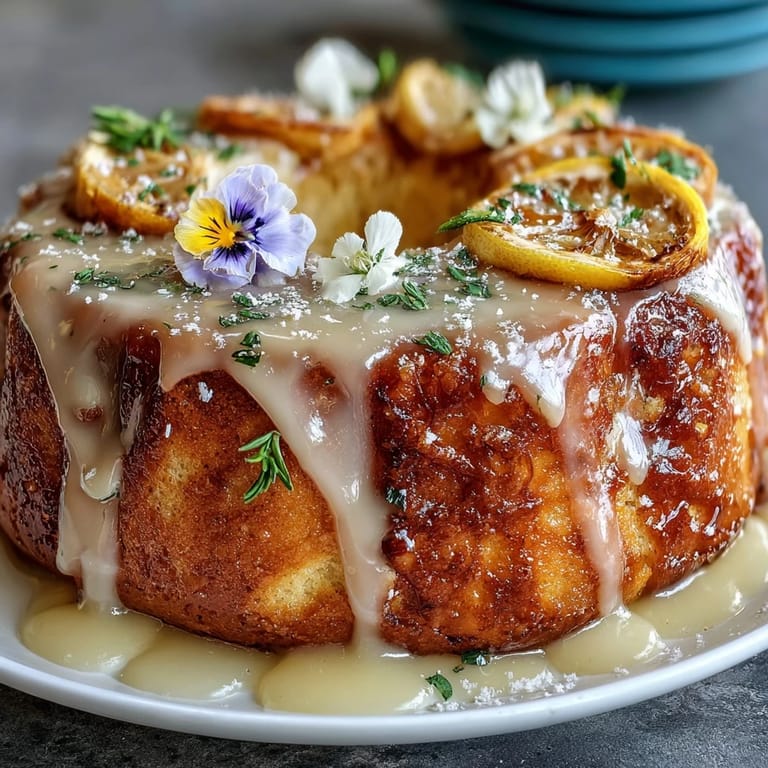
- Remove the cake from the oven and, while it's still hot, use a skewer to poke holes all over the top, creating little channels for the drizzle to sink in. Pour the lemon mixture slowly over the warm cake and let it soak in; this is the magic moment where the cake drinks in all that tangy sweetness.
- Cool in the tin completely:
- Let the cake rest in its tin until it's completely cool before turning it out onto a serving platter. This patience means the cake won't break apart.
- Decorate and serve:
- Dust lightly with extra icing sugar if you like, then arrange your edible flowers on top just before serving so they stay fresh and colorful. A slice with a dollop of crème fraîche on the side is the way to go.
 Pin It
 Years later, I baked this cake for a friend who'd been struggling, and she cried when she tasted it because it reminded her of her grandmother's kitchen. That's when I truly understood why this cake mattered; it's not just about the lemon and sugar, but about creating a moment of care and comfort for someone you love.
The Science of a Moist Lemon Cake
The secret to this cake's moisture isn't hidden; it's the timing and the drizzle. When you poke holes in the warm cake and pour the lemon mixture over immediately, the cake is still porous enough to absorb it rather than let it run off. The lemon juice also has a chemical reaction with the sugar and the warm crumb, almost dissolving slightly and creating a tender structure that stays moist for days.
Choosing and Using Edible Flowers
The first time I decorated with flowers, I grabbed whatever looked pretty from a local market without asking questions, and I've learned that lesson the hard way. Now I seek out specialty grocers who specifically label flowers as edible and pesticide-free, or I grow violas and nasturtiums myself in a small pot on my windowsill. Pansies have a slight grape flavor that's unexpectedly pleasant, while rose petals add elegance with barely any taste, so choose based on what you want the flowers to contribute visually and flavor-wise.
Variations and Serving Suggestions
Once you've mastered the basic recipe, you can experiment in small ways without losing what makes it special. I've added a touch of vanilla extract (quarter teaspoon) for subtle depth, swapped in lime zest instead of lemon for a tropical twist, or even added a tablespoon of poppy seeds to the batter for texture. Serve it with whipped cream, crème fraîche, or thick Greek yogurt to cut through the sweetness, or simply on its own with a cup of proper tea.
- For a gluten-free version, substitute the self-raising flour with a gluten-free blend plus 1 teaspoon of baking powder and mix it in thoroughly before adding to the batter.
- If you want extra zestiness, add half a teaspoon of finely grated lemon zest directly into the drizzle mixture.
- This cake actually improves after a day or two as the crumb settles and the lemon flavor deepens, so don't hesitate to bake it ahead.
 Pin It
 This cake has taught me that the best food is the kind that brings people together and reminds them they're loved. Make it, share it, and watch how something as simple as lemon and flour becomes a memory.
Recipe FAQs
- → How do I ensure the cake stays moist?
Pouring the lemon drizzle over the warm cake allows the juice to soak in, keeping it moist and flavorful throughout.
- → Can I use different edible flowers for decoration?
Yes, choose pesticide-free flowers safe for consumption such as violas, pansies, nasturtiums, or rose petals to add a delicate aesthetic.
- → Is it necessary to use self-raising flour?
Self-raising flour helps the cake rise evenly. For gluten-free options, substitute with a gluten-free flour blend plus baking powder.
- → What’s the best way to zest lemons for this cake?
Use unwaxed lemons and a fine grater or zester to capture just the yellow outer layer, avoiding the bitter white pith underneath.
- → How long should I bake the cake?
Baking at 180°C (160°C fan) for 40–45 minutes ensures a fully set interior without drying the cake out.
- → Can I prepare this cake in advance?
Yes, it can be baked a day ahead and kept covered at room temperature. Add edible flower decorations just before serving.