 Pin It
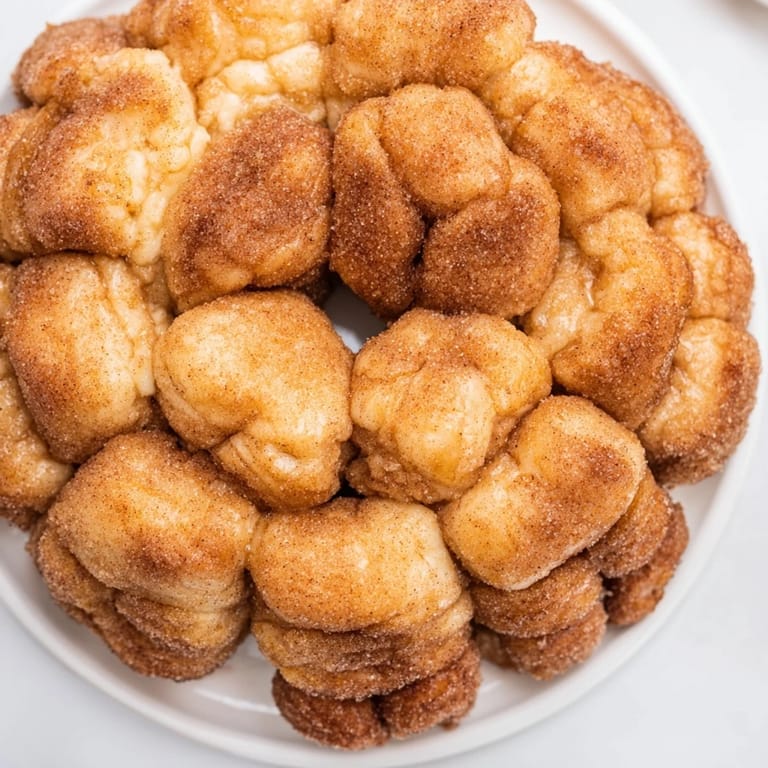
 There's something about the smell of cinnamon and butter hitting the kitchen that makes everyone stop what they're doing. My sister called it monkey bread years ago, and the name stuck because of how you pull it apart piece by piece instead of slicing, like curious hands can't resist. The first time I made it properly, I watched my nephew's eyes light up when he realized each ball was coated in cinnamon sugar before baking, which meant every single piece would taste incredible. It's become one of those recipes I make when I want something warm and impressive without the stress of perfecting a loaf shape.
I made this for a slow Sunday morning brunch, and my partner literally didn't say a word for the first few minutes after pulling it from the oven—just kept eating pieces with coffee. That quiet moment of pure satisfaction is exactly why I keep coming back to this recipe.
Ingredients
- All-purpose flour (500 g): The foundation of your soft, pull-apart dough; measure by spooning into your cup to avoid packing it down.
- Instant dry yeast (7 g): Brings the rise; make sure it's fresh by checking the expiration date because old yeast means flat bread.
- Granulated sugar (60 g, plus 200 g for coating): Feeds the yeast and sweetens the dough itself, then the extra sugar creates that caramelized cinnamon coating everyone loves.
- Salt (1 tsp): Balances sweetness and strengthens the gluten structure, so don't skip it.
- Warm milk (180 ml): Activates the yeast and keeps the crumb tender; test it on your wrist to ensure it's warm, not hot.
- Unsalted butter (60 g melted, plus 115 g for coating): Separating the amounts matters—one goes into the dough for richness, the other becomes your dipping sauce.
- Large eggs (2): Add richness and help bind the dough together.
- Ground cinnamon (2 tsp): The signature flavor that makes people ask what they're smelling the moment you start baking.
- Powdered sugar and milk (for optional glaze): A drizzle finishes it beautifully, but honestly it's optional since the bread is already sweet and sticky.
Tired of Takeout? 🥡
Get 10 meals you can make faster than delivery arrives. Seriously.
One email. No spam. Unsubscribe anytime.
Instructions
- Mix the dough base:
- Combine your flour, yeast, sugar, and salt in a large bowl, then add the warm milk, melted butter, and eggs. Stir until everything comes together into a shaggy dough, then knead by hand or mixer for about 5–7 minutes until it feels smooth and elastic.
- Let it rise in peace:
- Oil a bowl lightly, place your dough inside, cover it with a cloth or plastic wrap, and set it somewhere warm for an hour. You'll know it's ready when it's roughly doubled in size and springs back slowly when you poke it.
- Make your coating:
- While waiting, mix granulated sugar and cinnamon in one bowl, and put your melted butter in another. This is your dipping station.
- Shape into balls:
- Punch down the risen dough to release the air, then divide it into 40 pieces (don't stress about precision—roughly 20g each is fine). Roll each piece between your palms into a smooth ball.
- Coat and layer:
- Dip each ball into butter, roll it in cinnamon sugar until coated, then place it in your well-greased bundt pan. Layer them so they fit snugly but not jammed—they'll rise and fill the gaps.
- Second rise:
- Cover the pan and let it sit for 20–30 minutes until the balls puff up and feel soft when you gently touch one. This is when you preheat your oven to 180°C (350°F).
- Bake until golden:
- Slide it into the oven for 30–35 minutes. You're looking for deep golden brown on top and a toothpick inserted into the center should come out clean.
- Cool and turn out:
- Let it cool in the pan for about 10 minutes—this is crucial so it doesn't fall apart. Then place a serving plate on top and flip the whole thing over to release it.
- Glaze if you want:
- If you're using the glaze, whisk powdered sugar, milk, and vanilla until smooth and drizzle it over the warm bread. Otherwise, serve it as is and let people drizzle honey or eat it plain.
 Pin It
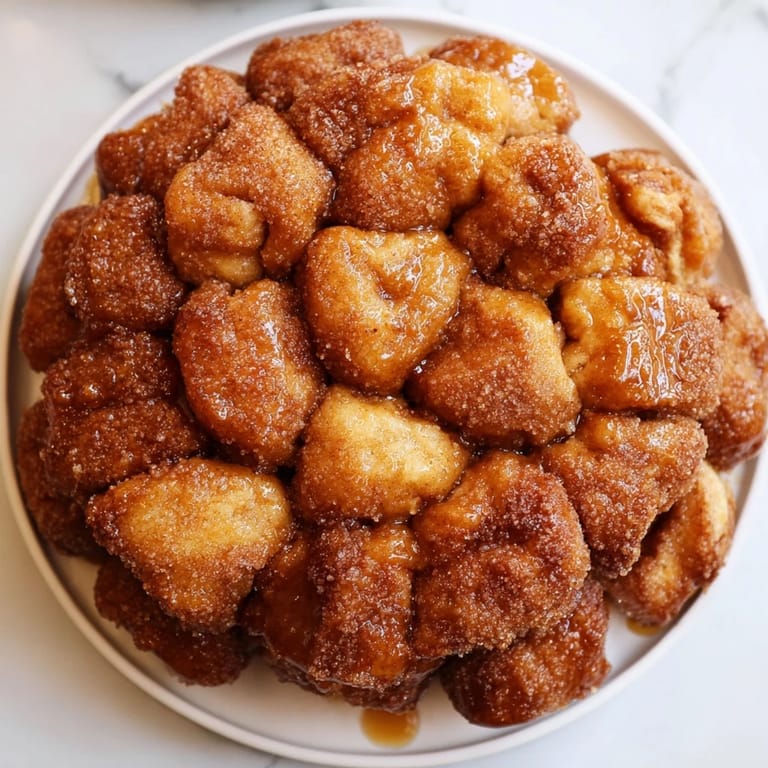
 The moment someone's hands reach into that warm pan and they pull off their first piece, you see this pure joy that's hard to describe. It's messy and sticky and somehow that's exactly what makes it feel special instead of just another breakfast.
Why This Works So Well
The genius of monkey bread is that the dough rises twice, which means it gets incredibly light and tender. Each ball is individually coated before baking, so every single bite has that cinnamon-sugar edge that makes people keep reaching for more. And because it's already portioned into small balls, no one has to wait for you to slice it—they just pull off what they want.
When to Make This
This is my go-to recipe for weekend mornings when I want something special without spending hours in the kitchen. It's also perfect for brunch gatherings because you can prepare it the night before, let it do its second rise in the fridge, and just bake it fresh in the morning. People always assume it's more complicated than it is, which makes it feel like a gift you've given them.
Serving and Storage
Serve it warm with strong coffee or tea—the contrast of hot, sticky bread with a cold glass of milk is honestly unbeatable. It stays fresh in an airtight container for a couple of days, and you can always reheat it gently in the oven to bring back that fresh-baked warmth.
- For extra indulgence, add chopped pecans or walnuts between the dough layers before the second rise.
- If you have leftover pieces, they're actually good cold the next morning, though everyone will tell you warm is better.
- Make sure your milk is actually warm but not so hot it kills the yeast—aim for a temperature that feels comfortable on your wrist.
 Pin It
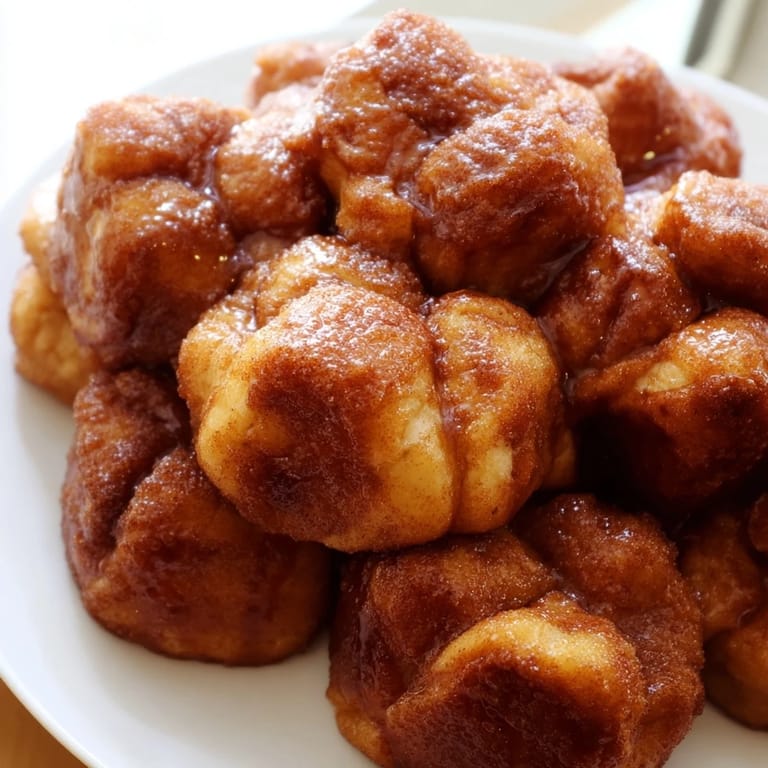
 This recipe teaches you the basics of yeast dough in the most forgiving way possible. It's the kind of bread that reminds you why people have gathered around food for thousands of years—because pulling apart something warm and sticky together just feels right.
Recipe FAQs
- → How do I prevent the dough balls from sticking together?
Coat each dough ball thoroughly with melted butter and cinnamon sugar before layering. Ensure the bundt pan is well-greased to ease separation during baking.
- → Can I add nuts to this bread?
Yes, chopped pecans or walnuts can be sprinkled between the dough layers to add crunch and flavor.
- → What is the best way to serve this pull-apart bread?
Serve warm for a soft, sticky texture that highlights the cinnamon butter coating, ideally alongside coffee or chai.
- → Can I prepare the dough in advance?
The dough can be prepared ahead and allowed a longer first rise in the refrigerator. Bring to room temperature before shaping and proceeding.
- → Is glazing necessary for the best flavor?
The optional vanilla glaze adds extra sweetness and moisture, but the bread is delicious on its own with the cinnamon sugar coating.