 Pin It
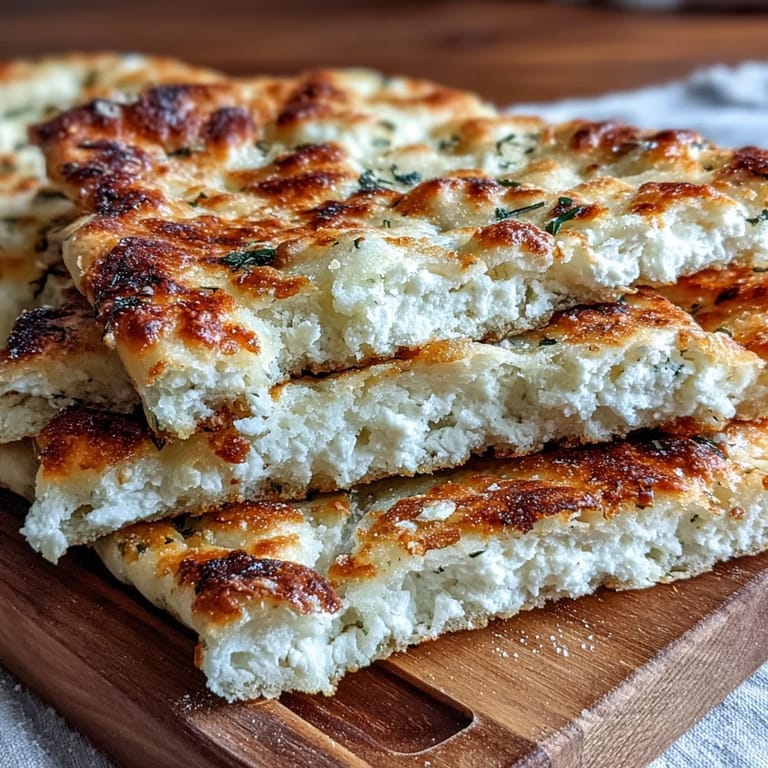
 There was cottage cheese left over from breakfast, sitting in the fridge door with that familiar question mark hanging over it. I'd been scrolling through flatbread recipes all week, trying to find something fast enough for a Wednesday night but interesting enough to feel worth the effort. Then I remembered a line from an old cooking forum: cottage cheese makes dough tender without the wait. I pulled out the tub, cracked an egg, and twenty minutes later I had four golden rounds cooling under a towel, still puffing with steam.
The first time I made these, my neighbor knocked just as I was flipping the second one. She saw the bubbles forming and asked if I was making naan. Close enough, I said, and handed her one still warm from the skillet. She tore into it right there in the doorway, no plate, no butter, and told me it tasted like the flatbreads her grandmother used to make on a griddle in the morning. That's when I knew this recipe had staying power.
Ingredients
- All-purpose flour: The backbone of the dough, providing structure without heaviness, and a little extra for dusting keeps things from sticking.
- Baking powder: This is what gives the flatbreads their lift and those satisfying air pockets without any rising time.
- Fine salt: Balances the tang from the cottage cheese and brings out the flavor in every bite.
- Garlic powder: Optional but worth it for a subtle savory note that plays well with herbs or plain.
- Full-fat cottage cheese: Drain it well or the dough will be too wet, the curds break down into the dough and add moisture and tenderness.
- Large egg: Binds everything together and adds richness, making the flatbreads feel more substantial.
- Olive oil: A tablespoon in the dough and a brush in the pan keeps things from sticking and adds a hint of flavor.
- Fresh chopped herbs: Parsley or chives are my go-to, they add color and a fresh pop that makes each bite feel intentional.
- Water: Only if needed, add it slowly because dough consistency can change depending on how wet your cottage cheese is.
Tired of Takeout? 🥡
Get 10 meals you can make faster than delivery arrives. Seriously.
One email. No spam. Unsubscribe anytime.
Instructions
- Combine the Dry Ingredients:
- Whisk the flour, baking powder, salt, and garlic powder in a medium bowl until there are no clumps. This step takes thirty seconds but makes a difference in how evenly the flatbreads cook.
- Mix the Wet Ingredients:
- In a separate bowl, mash the drained cottage cheese with a fork until most of the curds are broken down, then stir in the egg, olive oil, and herbs. It doesn't need to be perfectly smooth, just well combined.
- Form the Dough:
- Pour the wet mixture into the dry and stir gently with a spatula until a shaggy dough forms. If it feels dry or won't come together, add water one teaspoon at a time until it holds its shape.
- Knead Briefly:
- Turn the dough onto a lightly floured surface and fold it over itself six to eight times, just until it becomes a cohesive ball. Over-kneading will make the flatbreads tough, so stop as soon as it feels smooth.
- Rest the Dough:
- Cover the dough with a clean towel or plastic wrap and let it sit for ten minutes. This rest lets the flour hydrate and makes rolling much easier.
- Divide and Roll:
- Cut the dough into four equal pieces and roll each into a ball, then flatten with a rolling pin or your palms into rounds about a quarter inch thick. Dust with flour as needed to prevent sticking.
- Heat the Skillet:
- Warm a nonstick or cast-iron skillet over medium heat and brush lightly with olive oil. Let it get hot before you add the first flatbread.
- Cook the Flatbreads:
- Place one round in the skillet and cook for two to three minutes until bubbles form and the bottom is golden brown, then flip and cook another one to two minutes. Adjust the heat if they're browning too fast or too slow.
- Keep Warm:
- Transfer each cooked flatbread to a plate and cover with a towel to keep them soft and warm. Repeat with the remaining dough, adding a bit more oil to the pan as needed.
- Serve:
- Serve warm with dips, use as a wrap, or top with sauce and cheese for a quick pizza. They're best fresh but reheat beautifully in a skillet or microwave.
 Pin It
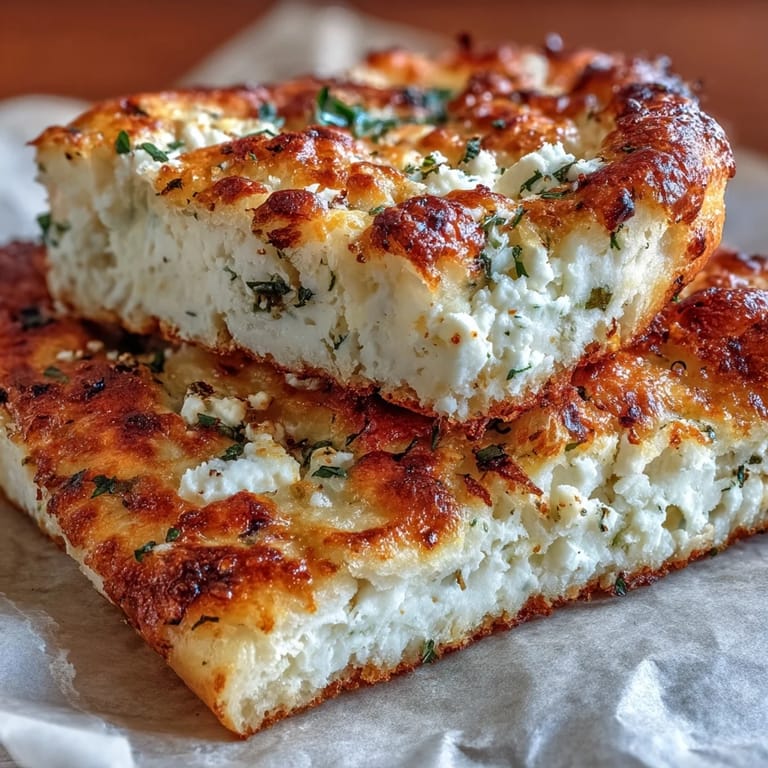
 One Sunday morning I made a double batch and let my kids top them like mini pizzas before sliding them back into a hot oven. They argued over who got the most cheese, but they ate every last one. Later that night I found a note on the counter that just said make these again. I did, the very next week.
How to Store and Reheat
These flatbreads keep well in an airtight container in the fridge for up to three days, stacked with parchment between each one so they don't stick. For longer storage, wrap them individually in plastic wrap and freeze for up to a month. When you're ready to eat, reheat them in a dry skillet over medium heat for about a minute per side, or microwave for twenty seconds with a damp paper towel draped over the top to bring back the softness. I've done both and honestly can't tell much difference, but the skillet method gives you those fresh toasted edges again.
Flavor Variations to Try
Once you've made the basic version a few times, this dough becomes a canvas. I've stirred in finely chopped spinach for green-flecked flatbreads that look impressive with hummus, and I've added sun-dried tomatoes for a Mediterranean twist that pairs perfectly with feta and olives. A pinch of cumin or smoked paprika in the dry ingredients shifts the flavor profile entirely, leaning into something warm and slightly spiced. For a sweeter route, skip the garlic and herbs, add a tablespoon of honey to the wet ingredients, and serve with butter and jam for breakfast.
Serving Suggestions
These flatbreads work in so many directions. I've used them as wraps for grilled chicken and tzatziki, torn them into strips for dipping into lentil soup, and topped them with marinara and mozzarella for a five-minute pizza night. They're sturdy enough to hold a loaded sandwich but soft enough to fold without cracking. My favorite way is still the simplest: warm from the skillet, brushed with a little melted butter and sprinkled with flaky salt.
- Serve alongside shakshuka or any saucy egg dish for breakfast.
- Use as a base for flatbread tacos with black beans and avocado.
- Pack them in lunchboxes with cheese and sliced vegetables for an easy portable meal.
 Pin It
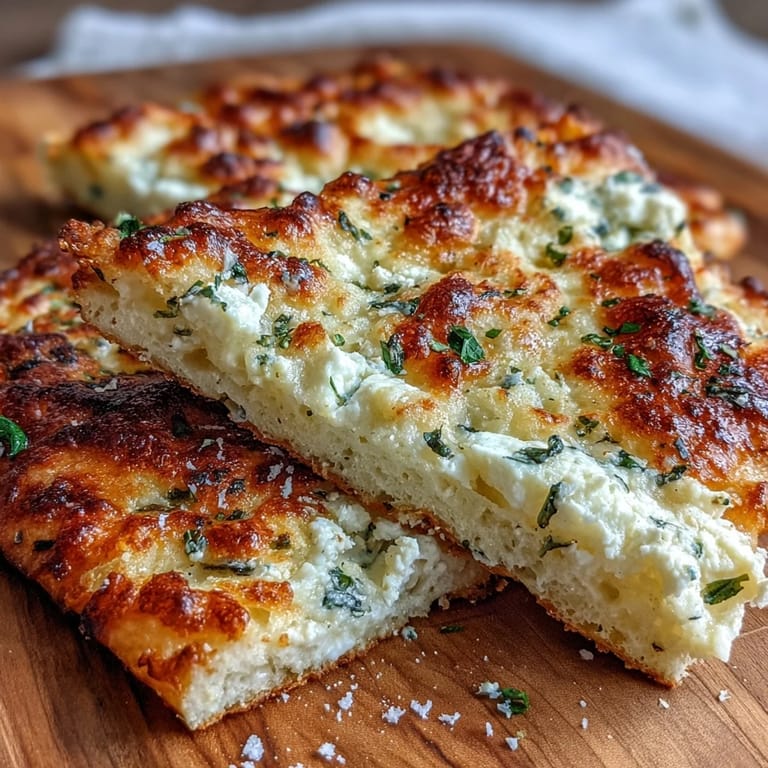
 This recipe has become one of those reliable weeknight saves, the kind you make without thinking too hard because you know it will work. I hope it does the same for you.
Recipe FAQs
- → Can I make these flatbreads gluten-free?
Yes, substitute the all-purpose flour with a 1:1 gluten-free flour blend and add 1 tablespoon of ground flaxseed to help maintain texture and binding in the dough.
- → Why use cottage cheese in flatbread dough?
Cottage cheese adds moisture, protein, and a subtle tangy flavor while contributing to an incredibly soft and tender texture. It creates bubbles during cooking for that authentic flatbread appearance.
- → How do I store leftover flatbreads?
Store cooled flatbreads in an airtight container in the refrigerator for up to 3 days, or freeze individually wrapped for up to 1 month. Reheat in a skillet or microwave with a damp paper towel to restore softness.
- → Can I use dried herbs instead of fresh?
Yes, substitute fresh herbs with dried herbs using one-third the amount. Dried parsley, chives, or Italian seasoning blend work well, though fresh herbs provide brighter flavor.
- → What can I serve with these flatbreads?
Enjoy warm with hummus, tzatziki, or baba ganoush. Fill with grilled vegetables and feta for wraps, or top with sauce and mozzarella for a quick personal pizza base.
- → Why does the dough need to rest?
The 10-minute rest allows the flour to fully hydrate and the gluten to relax, making the dough easier to roll out without springing back and resulting in tender, pliable flatbreads.